
As warmer, wetter weather arrives, so does the risk of leptospirosis—a serious bacterial disease that affects both pets and people. At Imperial Animal Hospital, we see leptospirosis cases every year, and many pet owners don’t realize how easily dogs can be exposed.
Here’s what you need to know to keep your pets—and your family—safe.
What Is Leptospirosis?
Leptospirosis is a bacterial infection spread through the urine of infected wildlife, including:
- Raccoons
- Skunks
- Opossums
- Rodents
- Coyotes
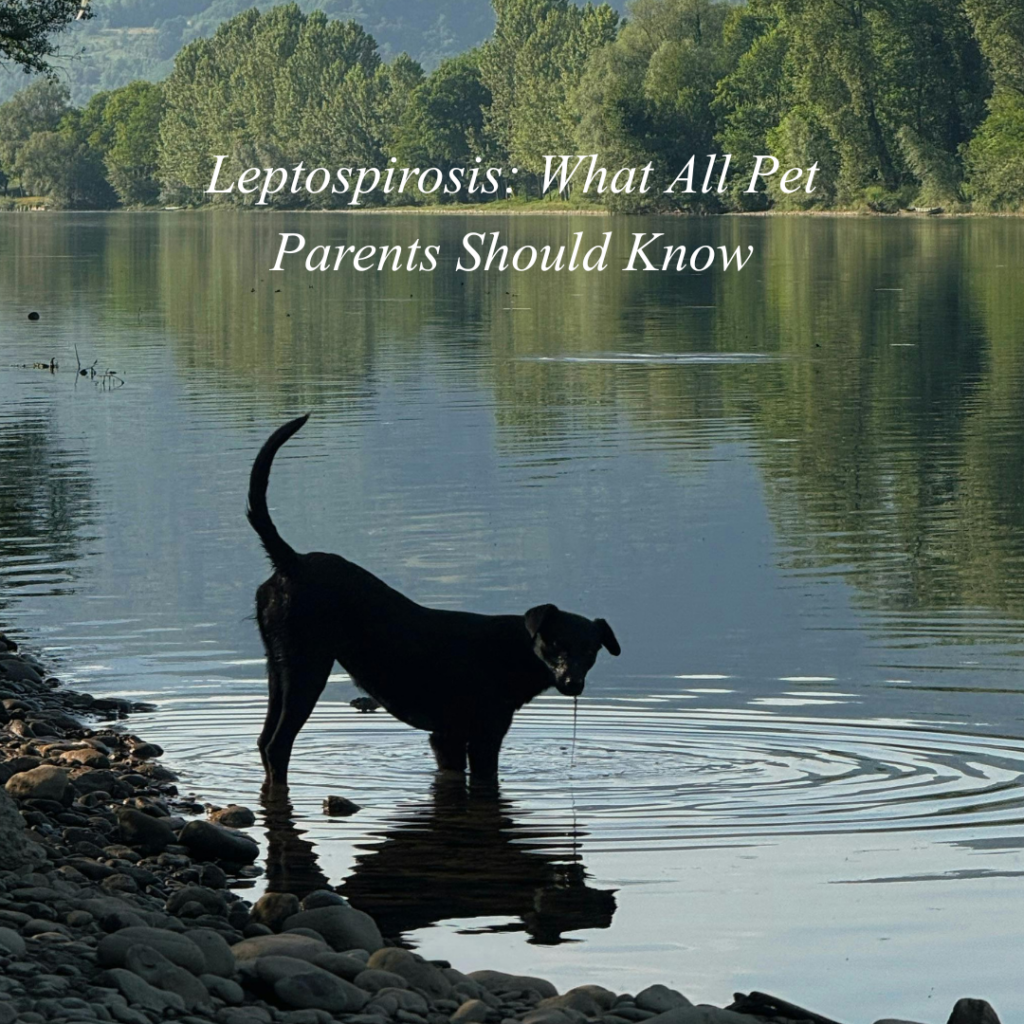
Dogs become infected when they drink, swim in, or walk through contaminated water or soil. Because the disease is zoonotic, infected pets can potentially pass it to humans.
How Dogs (and Sometimes Cats) Get Exposed
Dogs are most at risk when they:
- Drink from puddles or standing water
- Play in creeks, ponds, or wet grass
- Roam near wildlife‑frequented areas
- Sniff or lick areas where wildlife may have urinated
Leptospirosis thrives in warm, moist environments—so cases often rise in spring and after rain.
Signs of Leptospirosis in Pets
Symptoms vary, but often include:
- Vomiting or diarrhea
- Fever or lethargy
- Loss of appetite
- Increased thirst and urination
- Yellow gums or eyes (jaundice)
- Muscle stiffness
- Weakness or collapse
Leptospirosis can quickly cause kidney failure, liver damage, or even death if not treated promptly.
If your dog shows any combination of these signs, call us immediately.
Leptospirosis Prevention Checklist
- Vaccinate Your Dog
The lepto vaccine is safe, effective, and highly recommended—especially in Southern California, where wildlife exposure is common.
- Avoid Standing Water
Keep dogs away from puddles, drainage areas, and irrigation run‑off.
- Don’t Let Pets Roam Off‑Leash
Less wandering = lower exposure to wildlife urine.
- Keep Wildlife Away from Your Yard
Secure trash cans, remove food sources, and repair fencing.
- Practice Good Hygiene
Wash hands after handling pets, especially if your dog is sick.
- Call Us at the First Sign of Illness
Early treatment greatly improves outcomes.
Treatment Options
If diagnosed early, leptospirosis is treatable with:
- Antibiotics
- IV fluids
- Supportive care for kidney or liver involvement
Dogs usually require prompt veterinary hospitalization to prevent long‑term organ damage.
Is Leptospirosis a Risk for Humans?
Yes—lepto is a zoonotic disease. Humans can become infected through:
- Contact with an infected dog’s urine
- Contaminated bedding or surfaces
- Cleaning up accidents without protection
If your dog is infected, we’ll provide instructions to keep everyone safe at home.
Protect Your Pets—And Your Family
Leptospirosis is preventable, but it can become very serious very quickly. The best defense is vaccination and avoiding contaminated water sources.
If your dog is due for a lepto vaccine—or you’re noticing any concerning symptoms—contact Imperial Animal Hospital right away. We’re here to keep your pets healthy and protected all year long.