
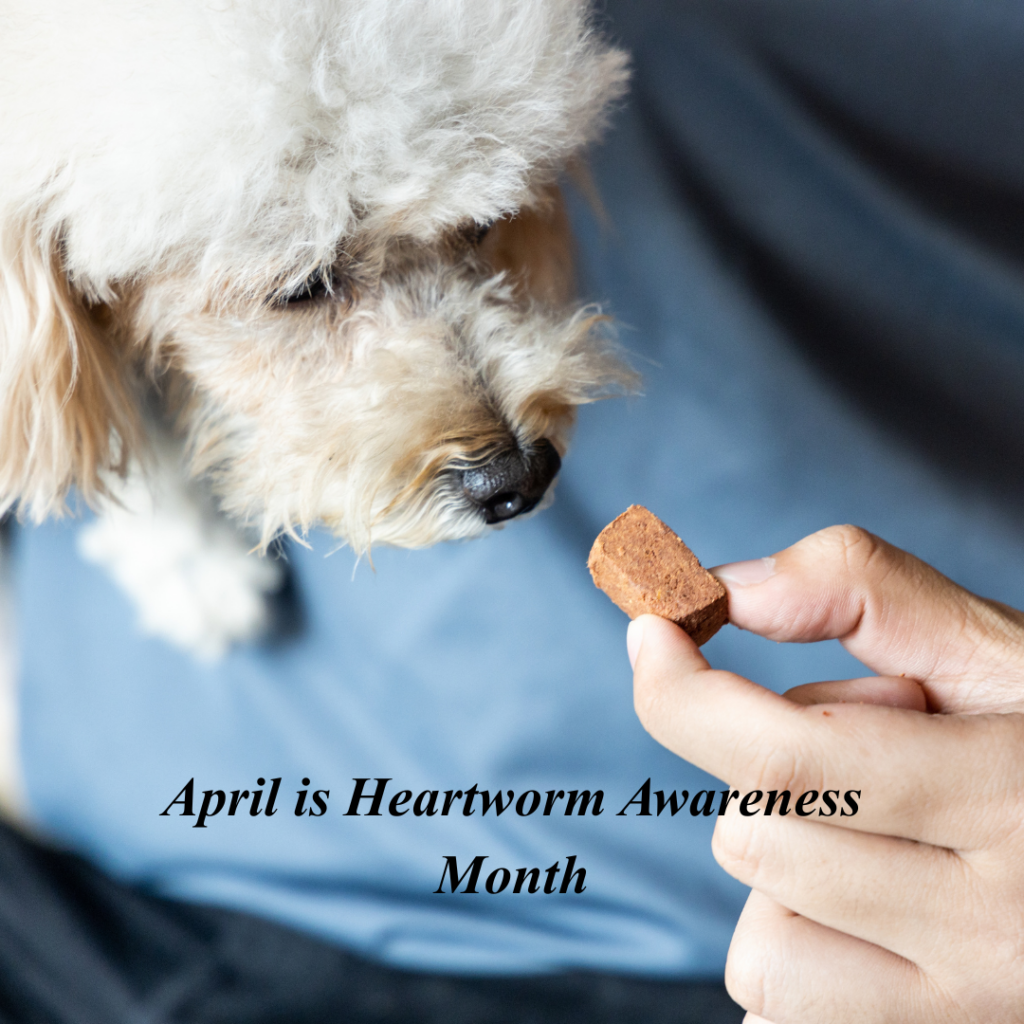
Heartworm disease is a serious condition that can affect both dogs and cats. The good news is that it is easy to prevent with regular veterinary care.
What Is Heartworm Disease?
Heartworm disease is caused by a parasite (Dirofilaria immitis) that is spread through mosquito bites. When an infected mosquito bites your pet, it can pass on microscopic larvae that grow into worms inside the body.
These worms live in the heart, lungs, and blood vessels, where they can cause serious damage over time.
Which Pets Can Get Heartworms?
- Dogs are most commonly affected and can carry many worms.
- Cats can also get heartworms, and even a small number can cause serious illness.
Even indoor pets are at risk, since mosquitoes can enter the home.
Signs of Heartworm Disease
In early stages, pets may not show any symptoms. As the disease progresses, signs may include:
Dogs:
- Coughing
- Tiring easily
- Decreased appetite
- Weight loss
Cats:
- Coughing or breathing issues
- Vomiting
- Low energy
Severe cases can lead to collapse or sudden death.
How Is It Diagnosed?
- Dogs: A simple yearly blood test
- Cats: Testing may include bloodwork and imaging, as diagnosis is more complex
Prevention Is Key
Heartworm prevention is safe, effective, and much easier than treatment. Options include:
- Monthly chewable tablets
- Topical medications
- Long-lasting injections (for dogs)
Your pet should stay on prevention year-round.
Why Prevention Matters
- Treatment in dogs can be expensive and requires strict rest
- There is no approved treatment for adult heartworms in cats
- Prevention helps avoid serious health risks altogether
Protect Your Pet
Heartworm disease is dangerous, but it is also preventable. Keeping your pet on consistent prevention and scheduling regular testing are the best ways to keep them safe.
If your pet is not currently on heartworm prevention, contact your veterinary team to get started.