
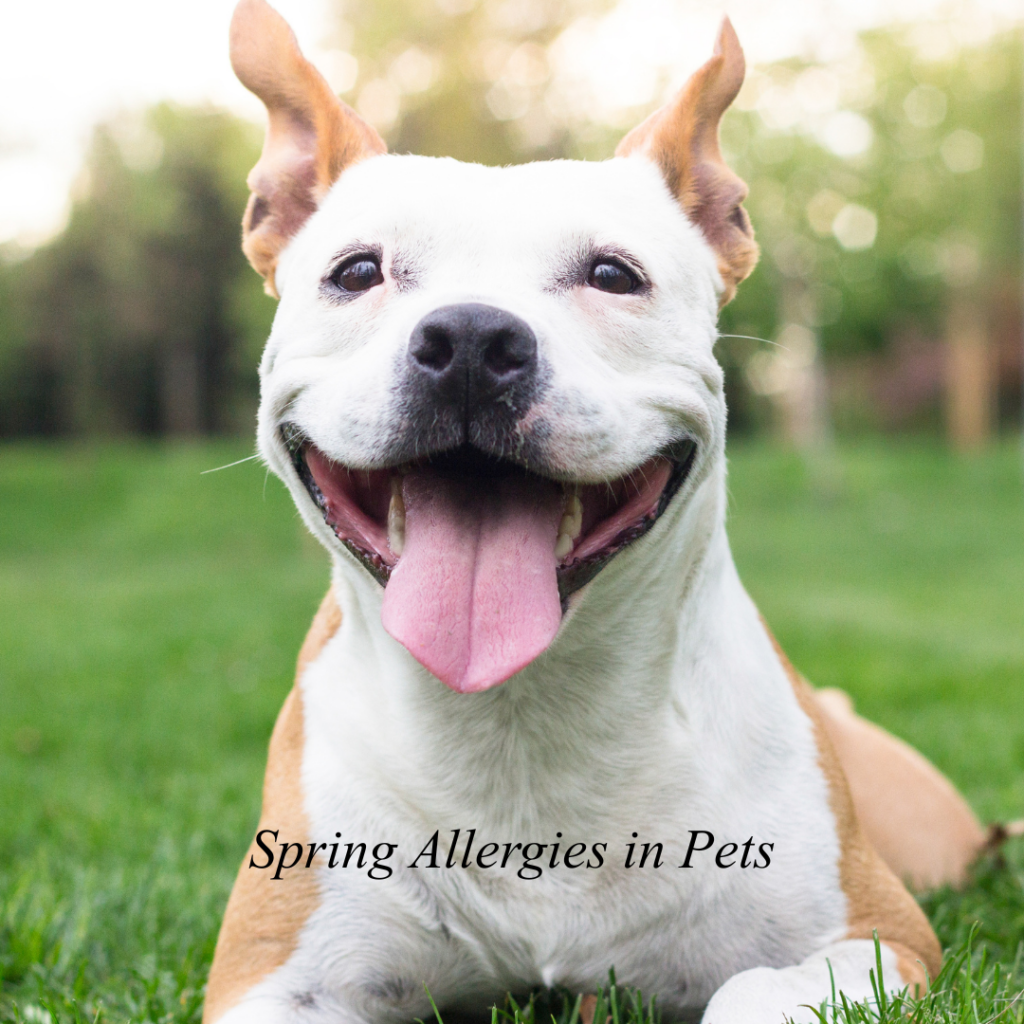
Spring brings sunshine, blooming flowers… and a big spike in allergies for many dogs and cats. At Imperial Animal Hospital, we see a rise in itchy skin, ear infections, and sneezing every spring — and most pet parents are surprised to learn that pets can suffer from seasonal allergies just like we do.
Here’s what to look for and how to help your pet stay comfortable this allergy season.
Common Signs of Spring Allergies in Pets
Pets show allergies differently than humans. Instead of runny noses, most pets develop skin and ear symptoms, including:
- Scratching, licking, or chewing at the skin
- Red, inflamed, or irritated skin
- Hair loss or hot spots
- Frequent ear infections
- Watery eyes
- Paw licking or chewing
- Sneezing or coughing (less common but possible)
If symptoms don’t improve within a few days, your pet may need veterinary care.
Common Spring Allergens
The most common triggers this time of year include:
- Pollen from trees, grasses, and weeds
- Dust and mold from increased outdoor activity
- Flea allergies (even one bite can trigger a reaction)
- Environmental irritants like plants or fertilizers
Even indoor pets can be affected — pollen easily travels on clothes, shoes, and open windows.
Spring Allergy Care Checklist
- Keep Up With Monthly Flea Prevention
Flea bite allergies are extremely common and often worsen in spring.
- Wipe Paws After Outdoor Time
A quick wipe removes pollen and reduces skin irritation.
- Bathe With a Gentle, Vet‑Recommended Shampoo
Helps reduce allergens on the skin and soothe irritation.
- Wash Bedding Weekly
Blankets and beds collect pollen and dust.
- Use Air Filters or Keep Windows Closed on High‑Pollen Days
This reduces allergen exposure for sensitive pets.
- Schedule an Exam if Your Pet Is Itchy
Allergies often lead to infections that need medical treatment.
How We Can Help
Imperial Animal Hospital offers several treatment options depending on your pet’s symptoms and severity, including:
- Prescription anti‑itch medications
- Allergy‑relief injections
- Medicated shampoos
- Ear infection treatment
- Specialized diets for food‑allergy pets
Our team will help you find the right plan to keep your pet comfortable all season long.
Spring Should Be Fun — Not Itchy
If your dog or cat is scratching more than usual or seems uncomfortable, don’t wait for symptoms to worsen. Contact Imperial Animal Hospital to schedule an allergy exam and get your pet the relief they need.