
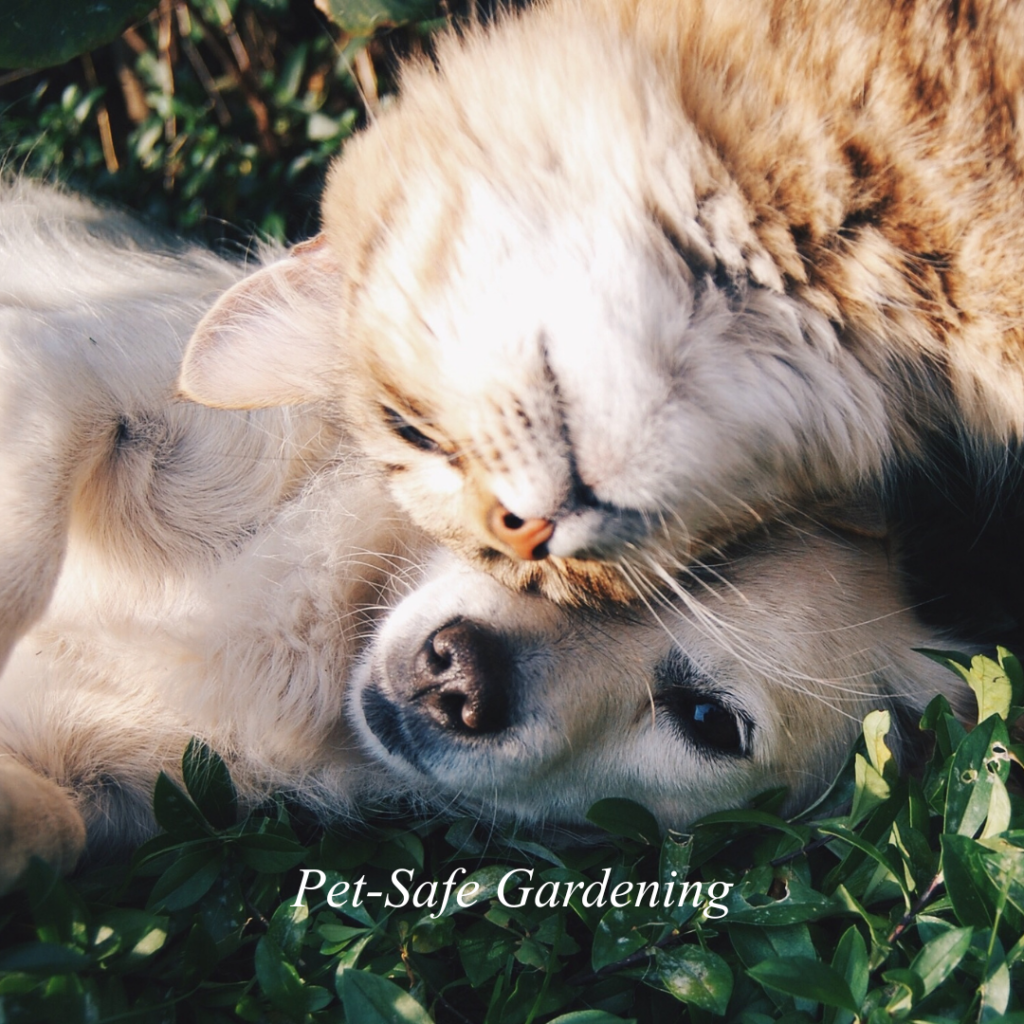
Spring is the perfect time to refresh your garden—but many pet parents don’t realize that some plants, fertilizers, and yard products can be dangerous for dogs and cats. At Imperial Animal Hospital, we often see accidental toxic exposures that start with innocent outdoor projects.
Here’s how to create a garden that’s both gorgeous and pet‑friendly.
Pet‑Safe Plants
These plants add beauty without posing a danger to dogs or cats:
- Marigolds
- Roses
- Snapdragons
- Zinnias
- Sunflowers
- Basil, thyme, and rosemary (herbs are great for small spaces!)
- Spider plants
- Boston ferns
These are safe to have around even curious chewers.
Plants to Avoid
Some common plants can be toxic—especially to cats and small dogs. Avoid planting:
- Lilies (extremely dangerous for cats)
- Sago palms
- Aloe vera
- Oleander
- Hydrangeas
- Azaleas and rhododendrons
- Castor bean plants
If you’re unsure about a plant, ask us or check a reliable pet‑toxic plant list before planting.
Safe Gardening Products
Many yard products can irritate skin or cause poisoning if licked or ingested. Look for:
- Pet‑safe fertilizers (avoid bone meal and blood meal—dogs LOVE the smell and often ingest them)
- Non-toxic weed control
- Pet‑friendly insect sprays
- Mulches without cocoa shell (cocoa mulch smells like chocolate and can be toxic)
When in doubt, choose natural or pet-labeled lawn treatments.
Pet‑Safe Gardening Checklist
- Choose Non-Toxic Plants
Stick to pet‑safe flowers, herbs, and shrubs.
- Avoid Hazards Like Bone Meal, Snail Bait & Cocoa Mulch
These are some of the most common causes of garden-related poisoning.
- Store Chemicals and Tools Securely
Pets love exploring sheds and garages.
- Block Off Freshly Treated Areas
Even “pet‑safe” products may need drying time before pets walk or roll in grass.
- Keep Pets Away While Planting
Digging pets can expose bulbs, fertilizers, or insecticides.
- Provide Shade and Fresh Water
Especially on warm days—gardening often means extra time outside.
- Check for Ticks After Outdoor Time
Gardens with shrubs, leaf debris, and tall grass can harbor ticks.
Signs of Garden‑Related Poisoning
Call a vet immediately if you see:
- Vomiting or diarrhea
- Drooling
- Tremors or twitching
- Pale or yellow gums
- Lethargy or wobbliness
- Excessive panting
- Seizures
Even mild symptoms can indicate a serious toxin exposure.
We’re Here to Help Keep Your Pets Safe Outdoors
A pet‑safe garden keeps your furry family members healthy while you enjoy a beautiful outdoor space. If you’re ever unsure about a plant, yard product, or exposure, contact Imperial Animal Hospital right away. We’re happy to help you create a safe environment your pets can enjoy all season long.